Usage & Attitudes
Find out how people use products like yours, and why. Video interviews, often in their own homes, show daily routines and explain what survey data can’t.
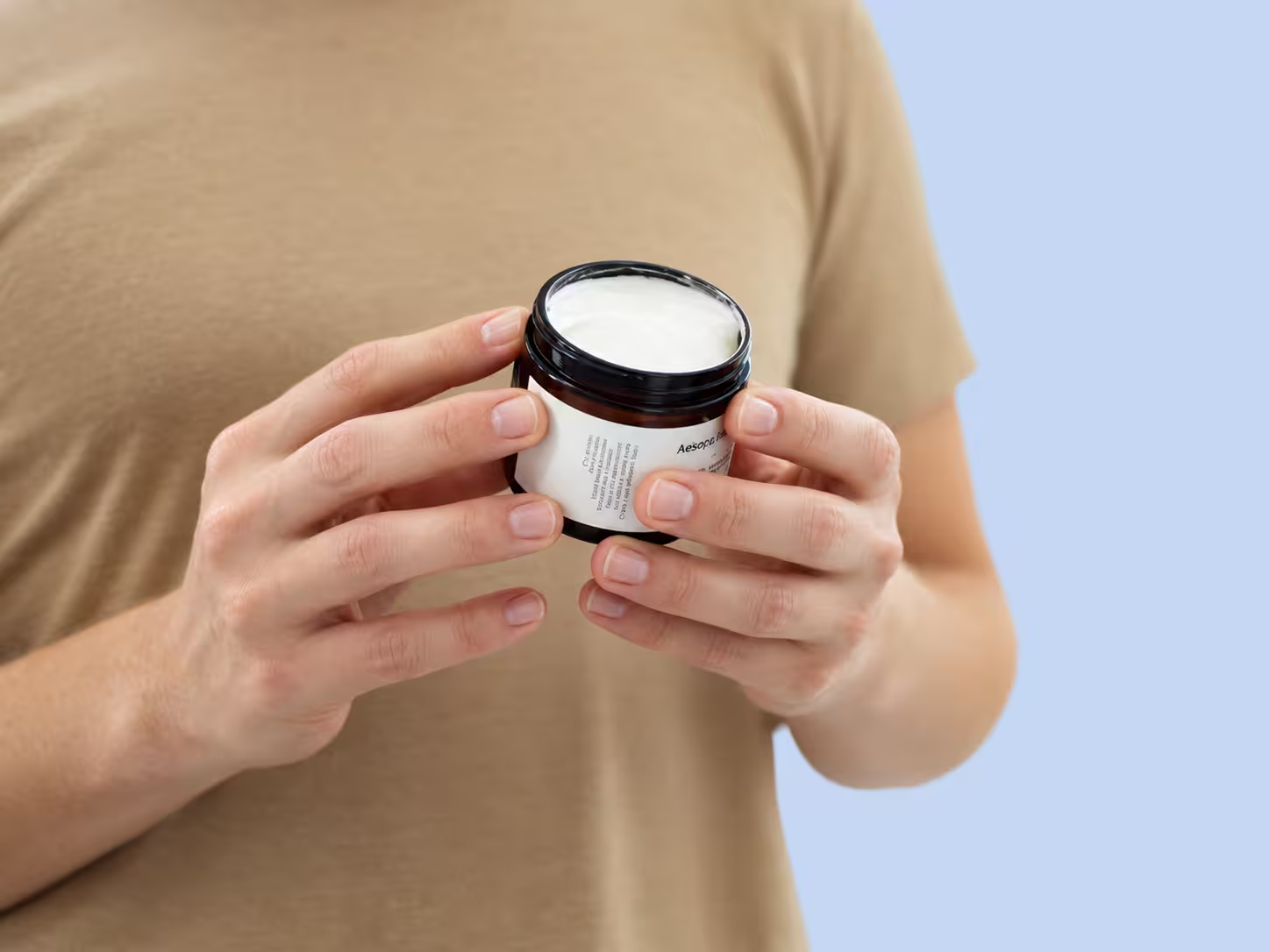








Sound familiar?
There’s a pattern in your survey data that nobody can explain.
You want to know more about who your customers are and how they behave.
You’re not sure what people really use your product for.
Where Motives comes in
Explain what the survey data shows
Understand the attitudes and routines behind what people do, not just the behavior.

See how people really use a product
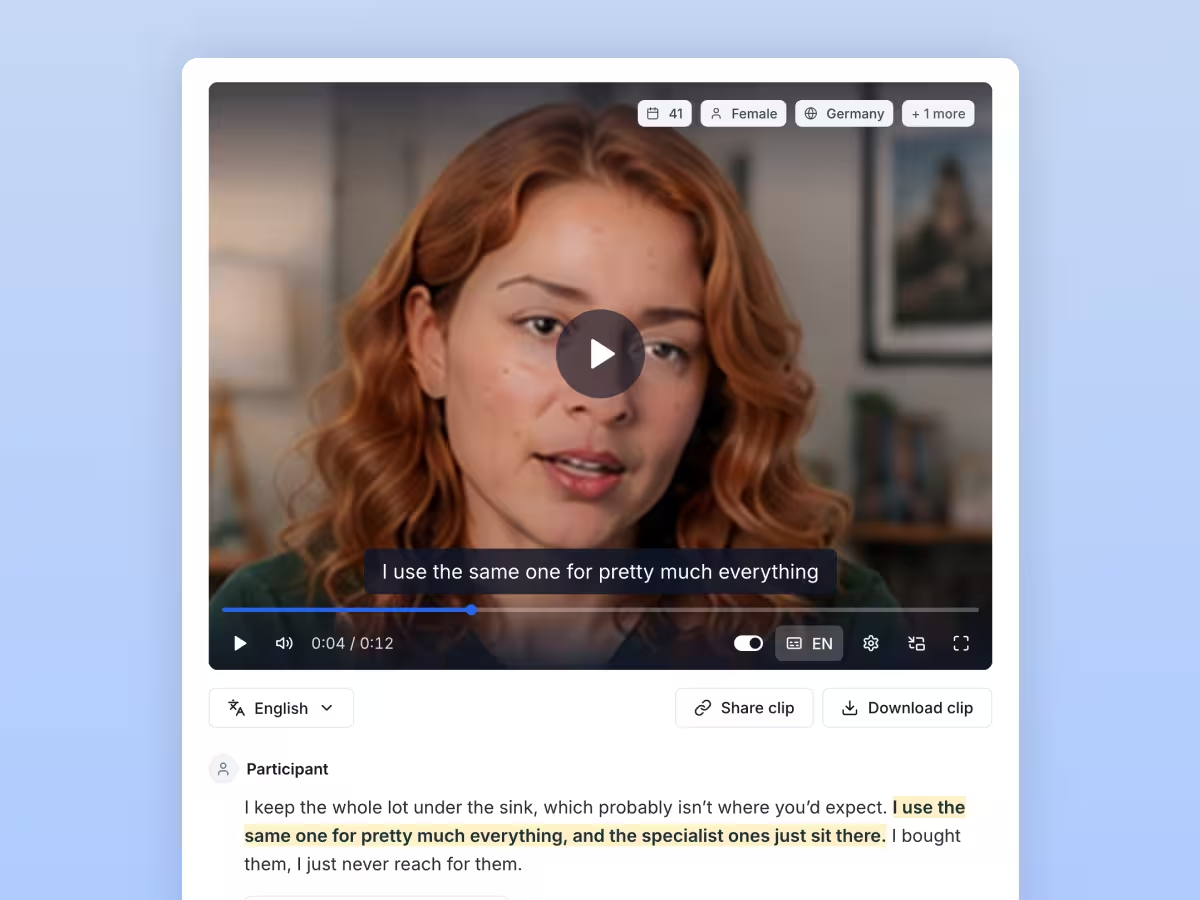
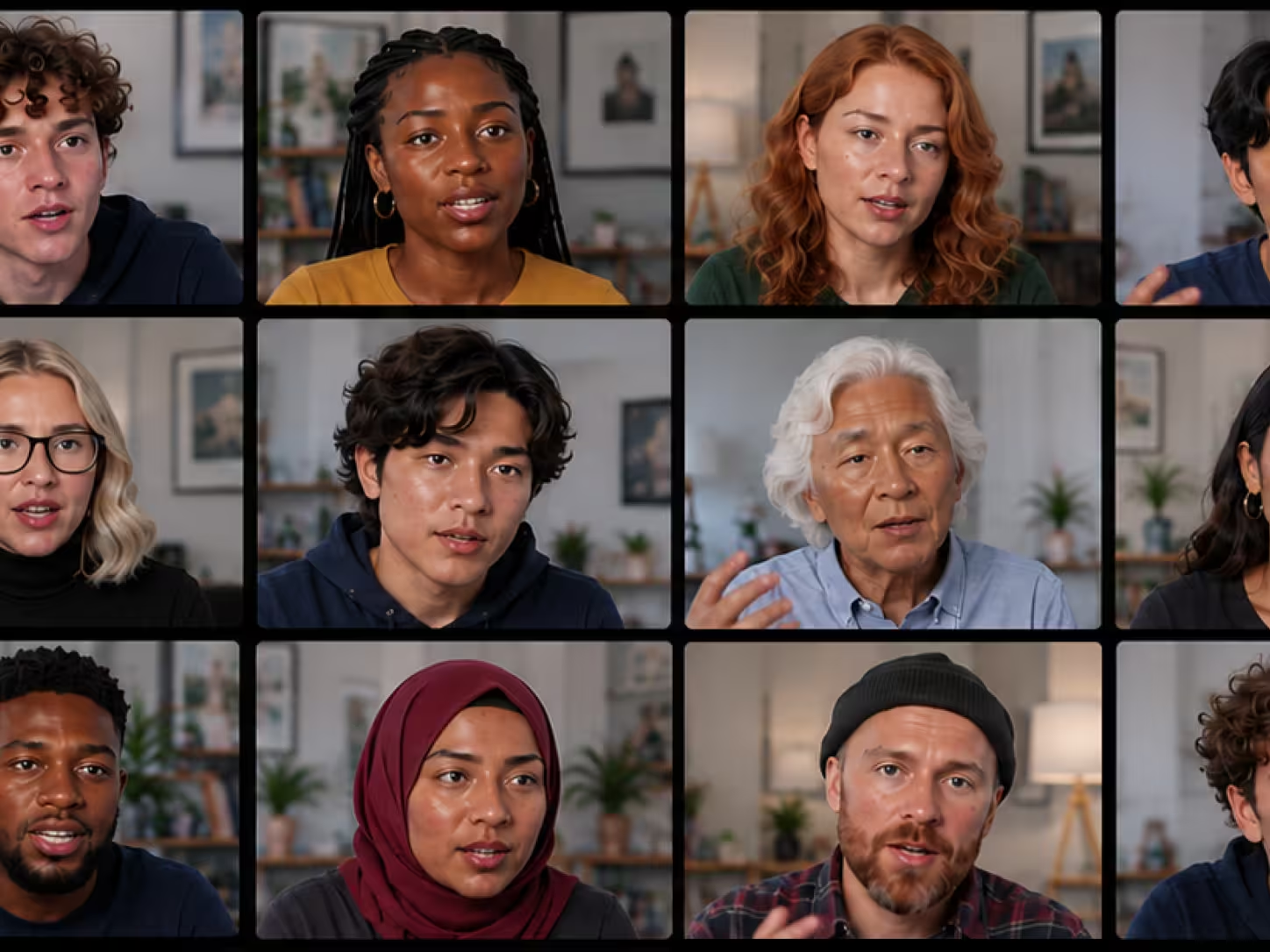
Participants join from home, so they can show their products, cabinets and routines.
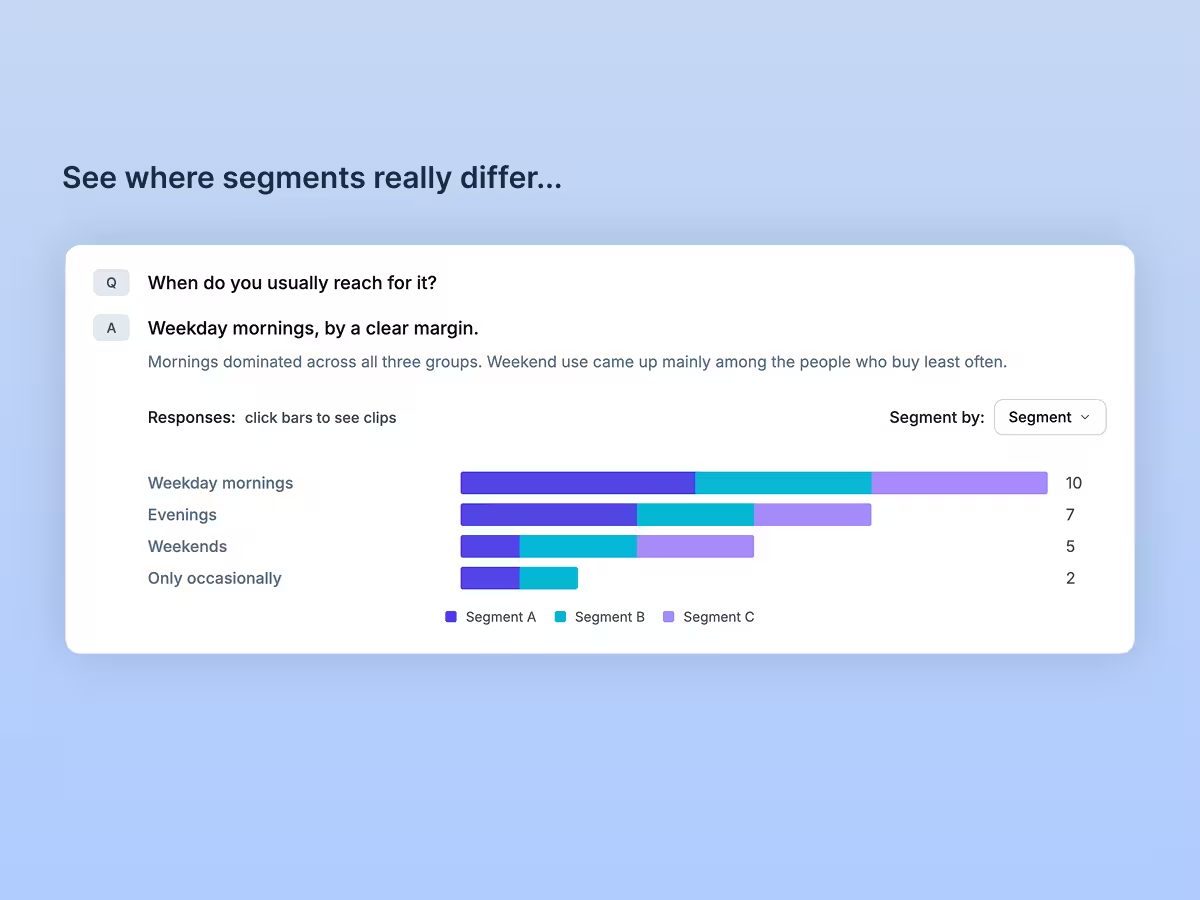
Compare groups side by side
Interview enough people in each segment or market to compare them in one study.
Questions we can help answer
A Usage & Attitudes study answers questions like these in your customers’ own words, linking back to the moment they said it on video.





How PZ Cussons gets honest insight into their most intimate consumer moments
PZ Cussons worked with Motives to unlock honest insight into the intimate self-tanning routines of St. Tropez consumers. AI-moderated interviews, conducted in people's own homes, captured the unfiltered emotional reactions and frustrations that traditional focus groups rarely surface. All delivered in just four days. The findings shaped product naming, informed retailer conversations, and months later, marketing, product, and R&D teams are still returning to the source material in Motives.
Read the case study →How it works
Brief
Tell us what you need to decide. Motives’ AI research assistant turns it into a discussion guide you can fine-tune.
Recruit
We find the right people from vetted panels in 30+ markets, or your own customer list. Every participant is video-verified.
Interview
The AI moderator interviews each participant on video, in their own language, probing on what matters.
Explore
Findings within 24 hours, each linked to the video moment behind it. Ask the Researcher follow-up questions anytime.
Choose Motives for Usage & Attitudes when…

Groups need comparing
Cover every segment that matters at full interview length.

People hold back in front of others
Participants find an AI less intimidating than a moderator, so there are fewer socially acceptable answers.

The study spans several markets
Multilingual interviews in parallel, with the guide and transcripts translated automatically.
Good to know
In-home or in-the-moment interviews close to where the behavior happens, brand-agnostic category exploration that several brands can use, and at-home “closet safari” or morning-routine interviews.
Yes. Participants join on their phone or laptop wherever they are, so they can show you their products, cabinets and routines.
Yes. You can invite people from your CRM or community with a link, as long as they’ve agreed to take part in research.
Yes. Add previous research to the brief and the AI uses it as context, so the interviews explain the patterns in your data.
Most studies use 20–30 people, with at least 10 per segment you want to compare.
A study for every decision.
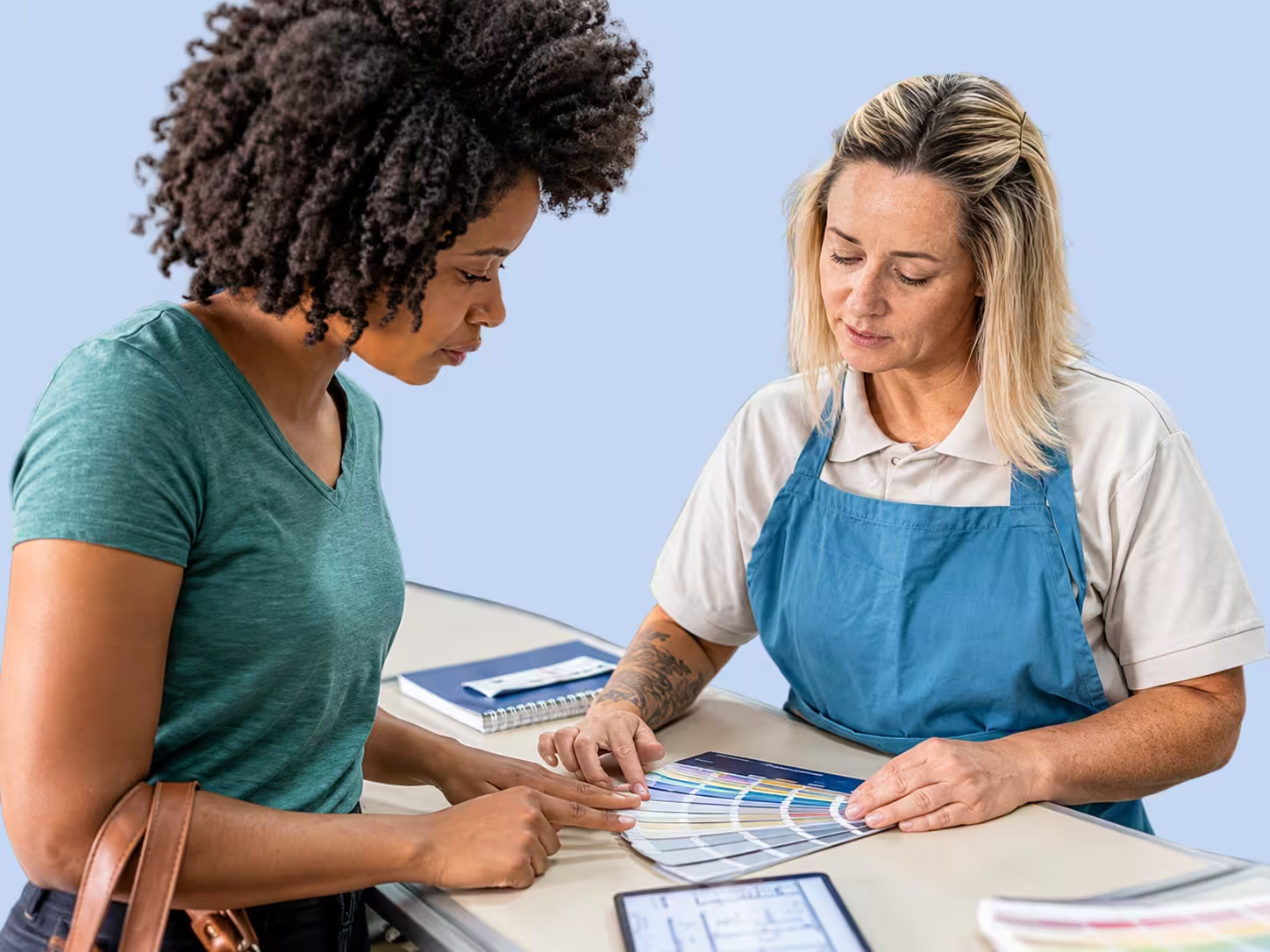

Not sure which study type fits your question?
Tell us what you need to decide and we’ll suggest a study design.