Pricing & Value Testing
Find out what customers will pay, and why. Video interviews show when a price feels fair, when it feels too high, and what would make it feel worth more.







Sound familiar?
Retailers are questioning your suggested retail price.
You’re relaunching as a premium product and need to know if people think it’s worth it.
You need evidence, not instinct, to defend a price internally.
Where Motives comes in
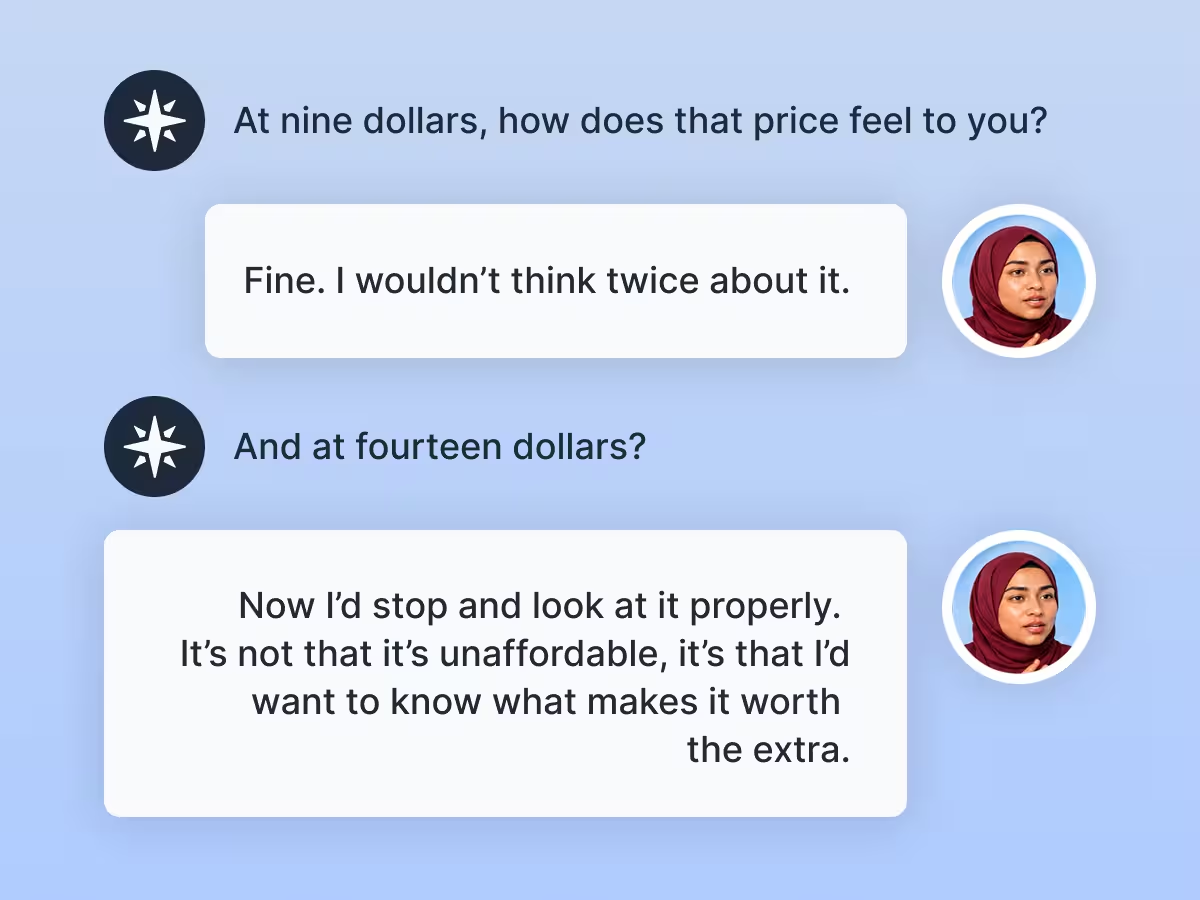
Find the point where a price feels too high
Hear how people react to the price, and the point where it stops feeling acceptable.
Find what makes it feel worth it
The cues and comparisons that make a price feel justified, tested alongside the packaging or product.
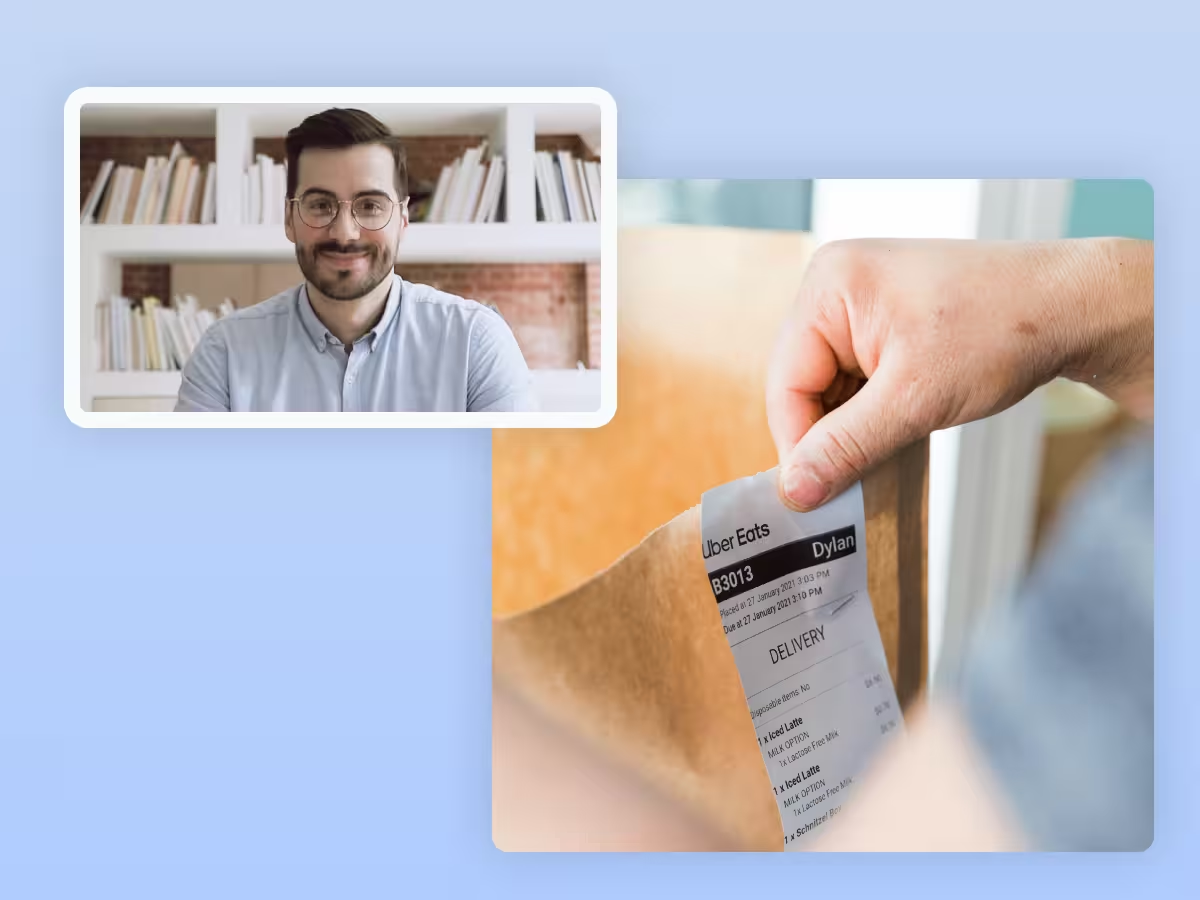
Evidence to back a price
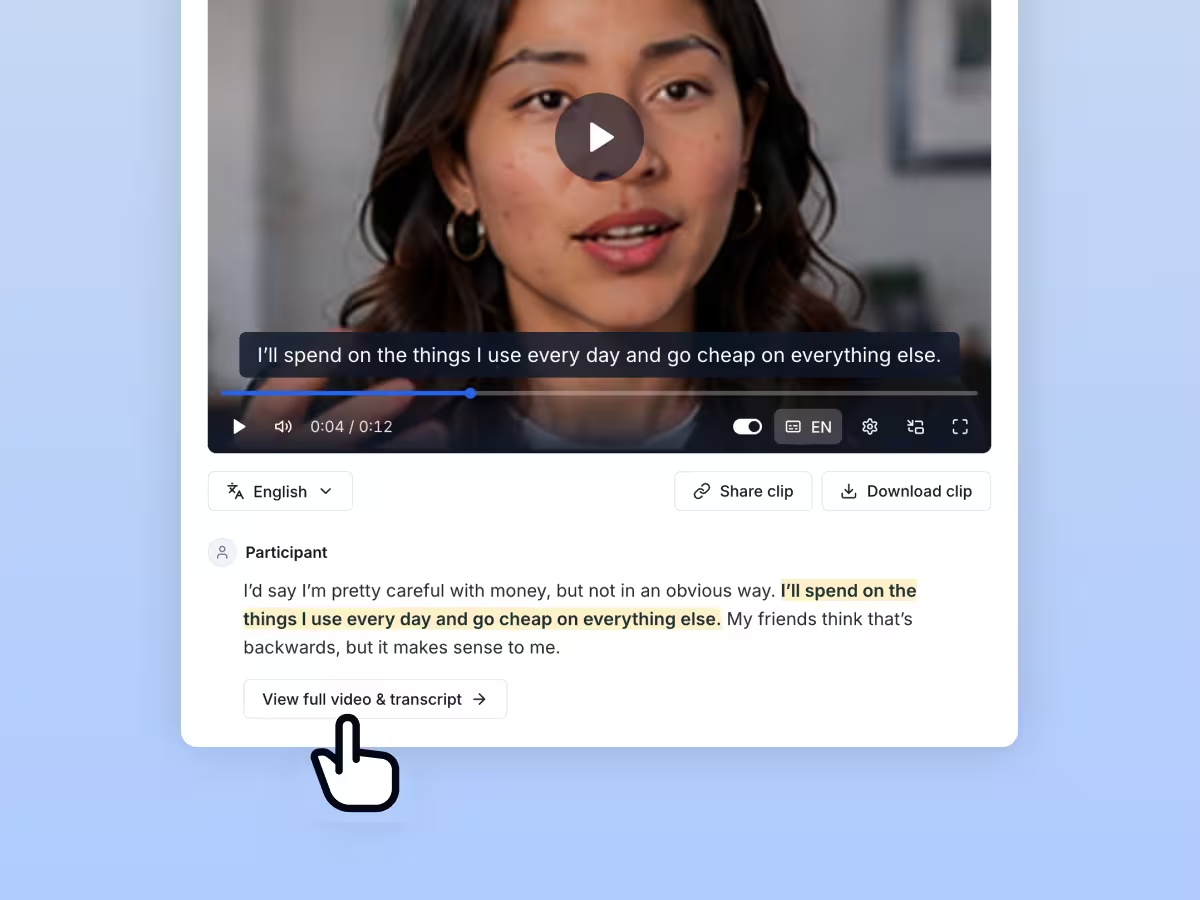
Every finding links to the video moment behind it, ready to show retailers and colleagues.
Questions we can help answer
A Pricing & Value Testing study answers questions like these in your customers’ own words, linking back to the moment they said it on video.




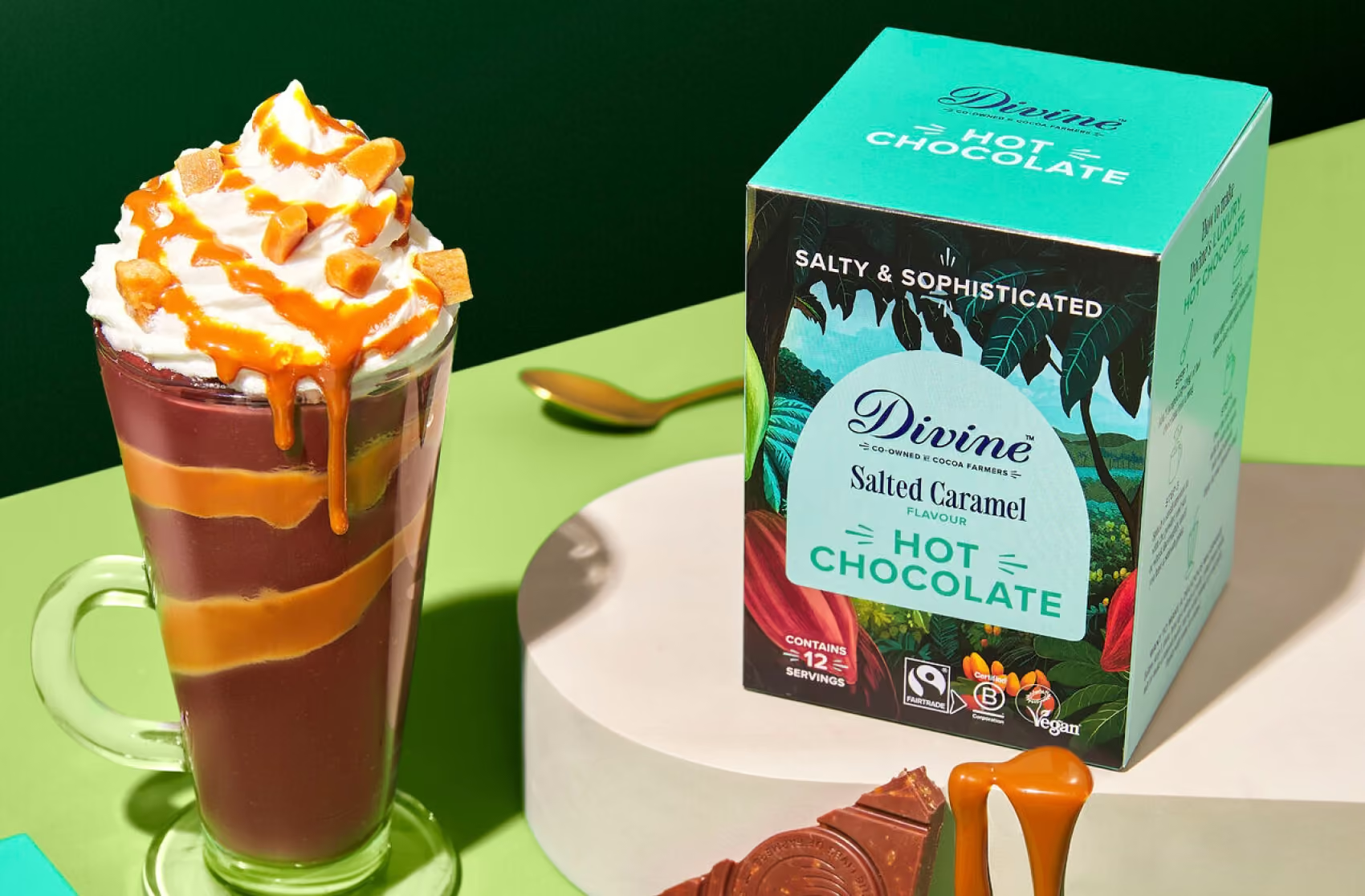
How Divine Chocolate used Motives to validate their premium hot chocolate strategy
Divine Chocolate used Motives to validate their premium hot chocolate relaunch in days. Their Marketing Director designed the study with the help of Motives AI Research Assistant, recruiting 20 shoppers who provided video testimonials on pricing, packaging, and flavors. The research convinced retailers on pricing, refined packaging design based on consumer feedback, and directed seasonal flavor decisions. This single study replaced what would have required multiple traditional research projects.
Read the case study →How it works
Brief
Tell us what you need to decide. Motives’ AI research assistant turns it into a discussion guide you can fine-tune.
Recruit
We find the right people from vetted panels in 30+ markets, or your own customer list. Every participant is video-verified.
Interview
The AI moderator interviews each participant on video, in their own language, probing on what matters.
Explore
Findings within 24 hours, each linked to the video moment behind it. Ask the Researcher follow-up questions anytime.
Choose Motives for Pricing & Value Testing when…

A launch needs de-risking
Double-check a decision already made and catch anything that could damage the brand.

The decision won’t wait
Make a confident call in days, or iterate several times before you commit.

The study spans several markets
Multilingual interviews in parallel, with the guide and transcripts translated automatically.
Good to know
A price ladder, where participants place the product among competitor prices, often run alongside packaging in the same study.
Yes, and it’s often done in the same study. Divine Chocolate covered price, packaging and flavors together.
Yes. Add previous research to the brief and the AI uses it as context, so the interviews explain why people accept or reject a price.
Yes. Findings link to the video moments behind them, and clips can be exported. Divine used shoppers’ own words and clips in retailer presentations.
Most studies use 20–30 people, with at least 10 per group you want to compare.
A study for every decision.



Not sure which study type fits your question?
Tell us what you need to decide and we’ll suggest a study design.